
We've all been there... You had a great discovery call. The champion loved it. Follow-ups are going well. And then, out of bloody nowhere.... silence.
No decision. No feedback. Just a deal that quietly dies in your pipeline for 90 days before you mark it closed-lost.
The good news is: This isn't bad luck. It's a structure we can fix!
The Data Behind the Silence 🤓
The numbers explain exactly what's happening:
The average B2B buying committee for deals over $50K now involves 11.2 stakeholders. → Up from 9.7 just two years ago. Larger committees push mid-market sales cycles to 121 days, and enterprise deals to 218.
72% of B2B purchases involve high-complexity buying groups spanning IT, operations, finance, procurement, legal, and executive leadership. And 79% of purchases require CFO approval.
And the biggest deal killer isn't even your competitor. It's "do nothing" which based on prospeo.io kills 40–60% of qualified pipeline exceeding losses to any single competitor by 2–3x.
The good news is that this is solvable!
3 Best Practices to Use TODAY
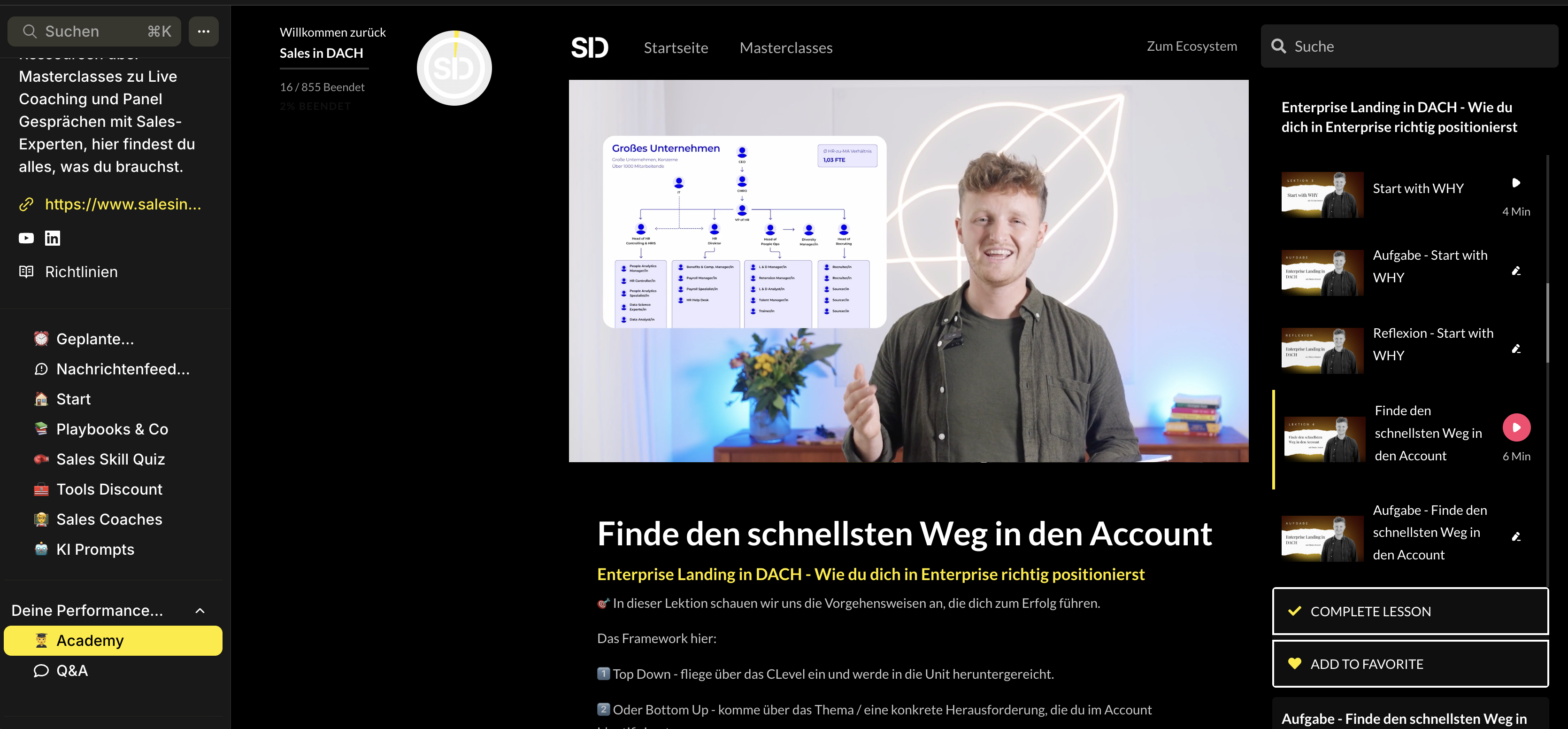
1. Map the full committee before your second call
Most reps know their champion. Few know the CFO's concern, the IT lead's objection, or the procurement process that's quietly blocking things in the background.
After your first meeting, ask your champion directly:
"Who else will be involved in evaluating this and what matters most to each of them?"
Build a simple stakeholder map: name, role, priority, and current sentiment.
Update it after every touchpoint. Deals don't stall randomly; they stall at a specific person with a specific concern you haven't addressed yet.
Florian Dostert, Founder of SYNTINELS, and Sales Expert, is covering this in his Masterclass about Landing Enterprise Deals in DACH in depth!
2. Create role-specific content, not one-size-fits-all decks
- The CFO needs ROI projections.
- The IT Director needs integration specs.
- The end user needs usability evidence.
-
The legal team needs compliance documentation.
A single pitch deck speaks clearly to one person and confuses everyone else.
For DACH specifically: 81% of B2B buyers in Germany expect a personalised, data-driven buying experience, complete with technical documentation, regulatory compliance, and service guarantees.
Our Advice: Prepare a one-pager for each key stakeholder. Short, specific, and in their language!
3. Use patience as a competitive weapon
Decision-making in Germany is typically collegial and structured. Even in SMEs, multiple stakeholders are involved, and decisions can take longer than expected because of cultural preferences for risk mitigation!
Vendors who embrace extended decision cycles rather than pushing harder gain competitive advantages through trust in the German market!
Our Advice: replace aggressive follow-ups with value-added touchpoints: A relevant case study, a data point from your last conversation, a peer reference from a comparable Mittelstand company. Stay present without being pushy!
🎯 Want to go deeper?
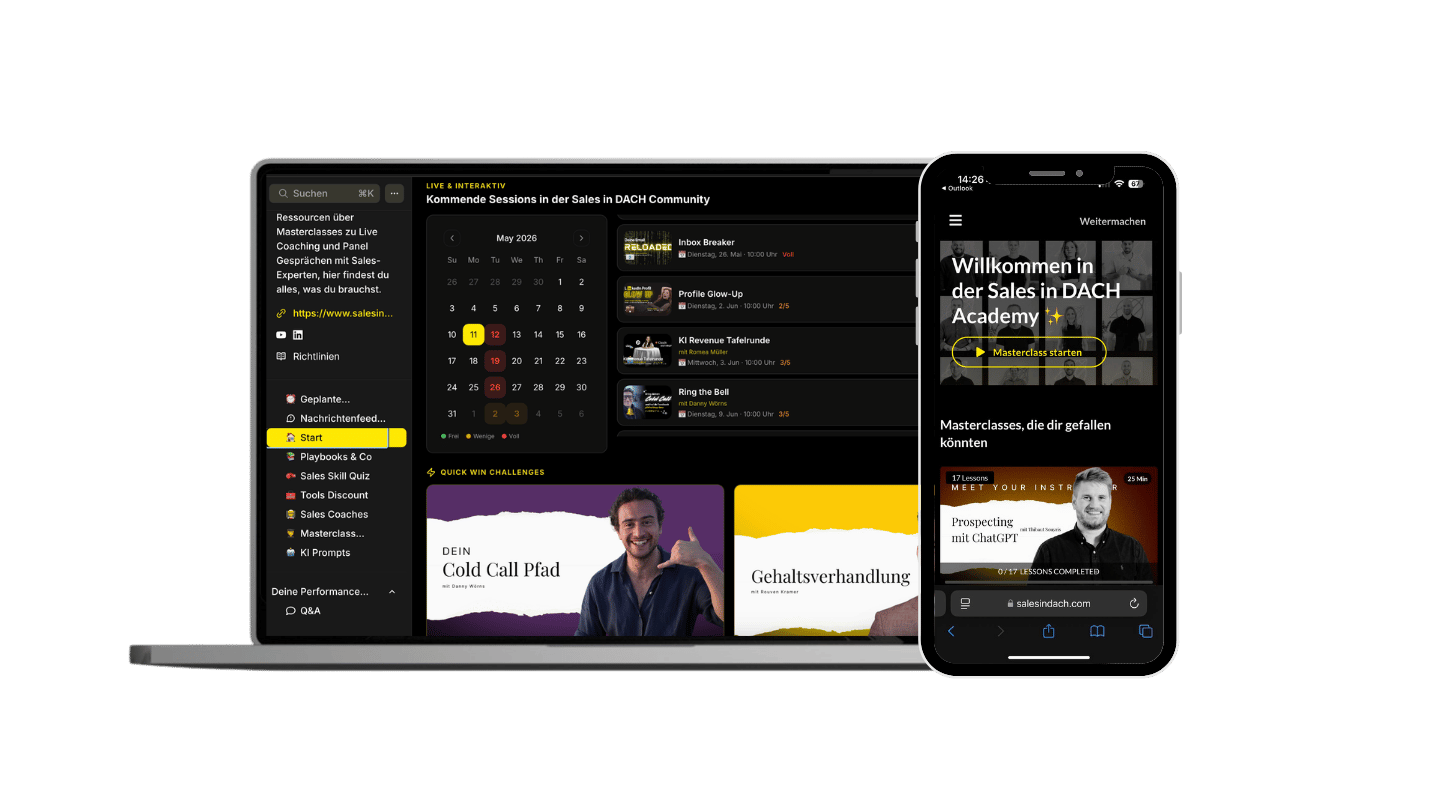
Topics like multi-stakeholder navigation, deal strategy and DACH buyer behaviour are exactly what we dig into inside the Sales in DACH Ecosystem.
Your Sales in DACH Team ✨



Antworten